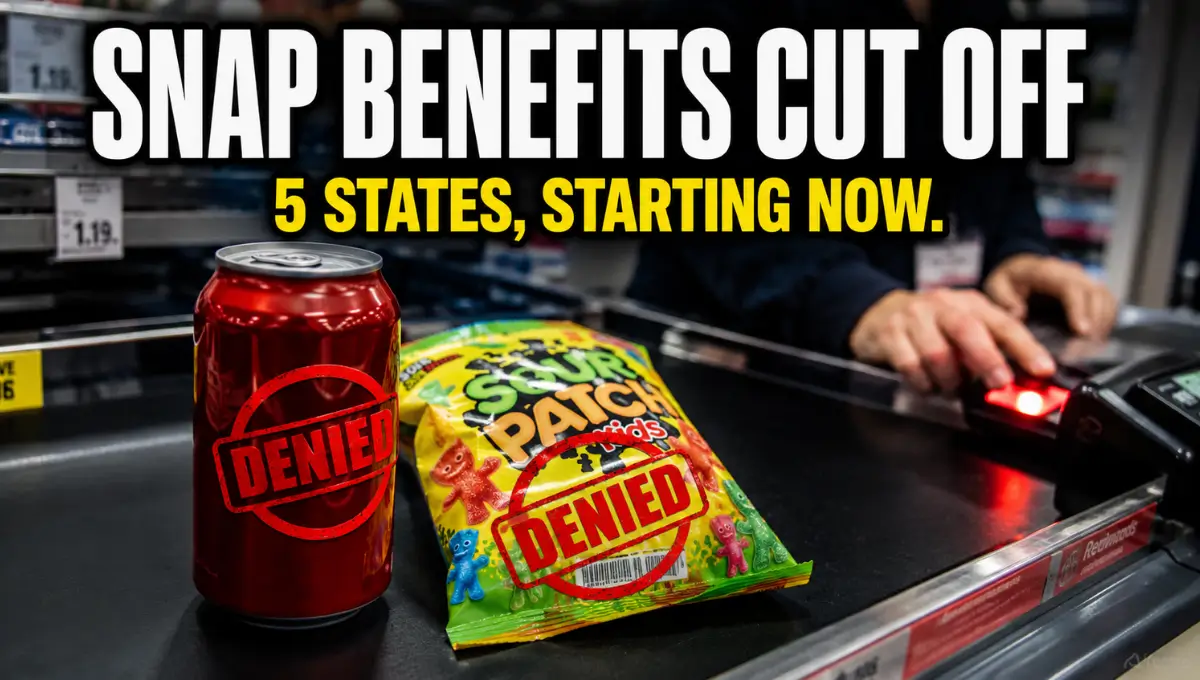
Nearly 2.7 million people on food stamps are about to lose the ability to buy soda, candy, and energy drinks with their benefits.
Five states — South Carolina, North Dakota, Montana, Ohio, and Virginia — are rolling out new SNAP purchase rules between late August and October 2026. The changes don’t touch how much money families get. They control what that money can buy.
South Carolina goes first, on August 31. Candy, energy drinks, soft drinks, and sweetened tea or lemonade will stop working at checkout. Diet and zero-sugar drinks are still fine.
The rule change comes from Governor Henry McMaster, who pushed for it last year. He said the goal was to make sure benefits go toward groceries families need.
“This request is a light-touch, common-sense approach that ensures these federal taxpayer dollars are being used to help families purchase healthy, nutritious food – not unhealthy candy and sugary drinks,” McMaster said when he first proposed it.
North Dakota follows one day later, on September 1. Candy and most sweetened drinks are out. So are energy drinks and shots with high caffeine content. Milk, unsweetened drinks, and juice that’s mostly fruit still qualify.
Montana’s rule starts September 30. It targets candy, high-sugar drinks, energy drinks, and packaged desserts. Baked goods from a store bakery are still allowed.
Then come the two biggest states by far.
Ohio’s ban starts October 1 and will affect more than 1.3 million people — by far the largest group hit by this round of changes. It targets drinks where sugar, corn syrup, or similar sweeteners are the main ingredient. Every fountain drink is blocked too, no matter what’s in it.
Ohio Department of Job and Family Services Director Matt Damschroder called the change “a meaningful step toward better health outcomes for Ohioans on food assistance.”
Virginia’s rule also starts October 1, affecting more than 710,000 people. It bans soda, diet soda, and other carbonated sweetened drinks. Non-carbonated drinks — including lemonade, iced tea, coffee, and sports drinks — are still allowed.
Here’s what matters most for shoppers: your benefit amount does not change. The card still loads the same dollars. What changes is what the register will let you buy. Stores are updating their systems now to block the restricted items automatically.
Not everyone agrees this is the right fix.
USDA Secretary Brooke Rollins has argued SNAP should stop paying for what she calls sugar-heavy products linked to poor health. Supporters point out the program’s food list hasn’t changed in over 60 years.
Critics see it differently. Anti-hunger advocates argue the restrictions limit choice without solving the deeper reason many low-income families buy cheaper, less healthy food in the first place. Some nutrition researchers warn that shame-based food policy can backfire, adding stress without changing habits.
A federal judge has already pushed back once. In June, a U.S. District Court ruled that USDA overstepped its authority approving waivers for Colorado, Iowa, Nebraska, Tennessee, and West Virginia. Three of those states had already started enforcing bans — those were halted immediately.
That ruling did not touch the waivers for Montana, Ohio, South Carolina, or Virginia. Their timelines remain on track for now.
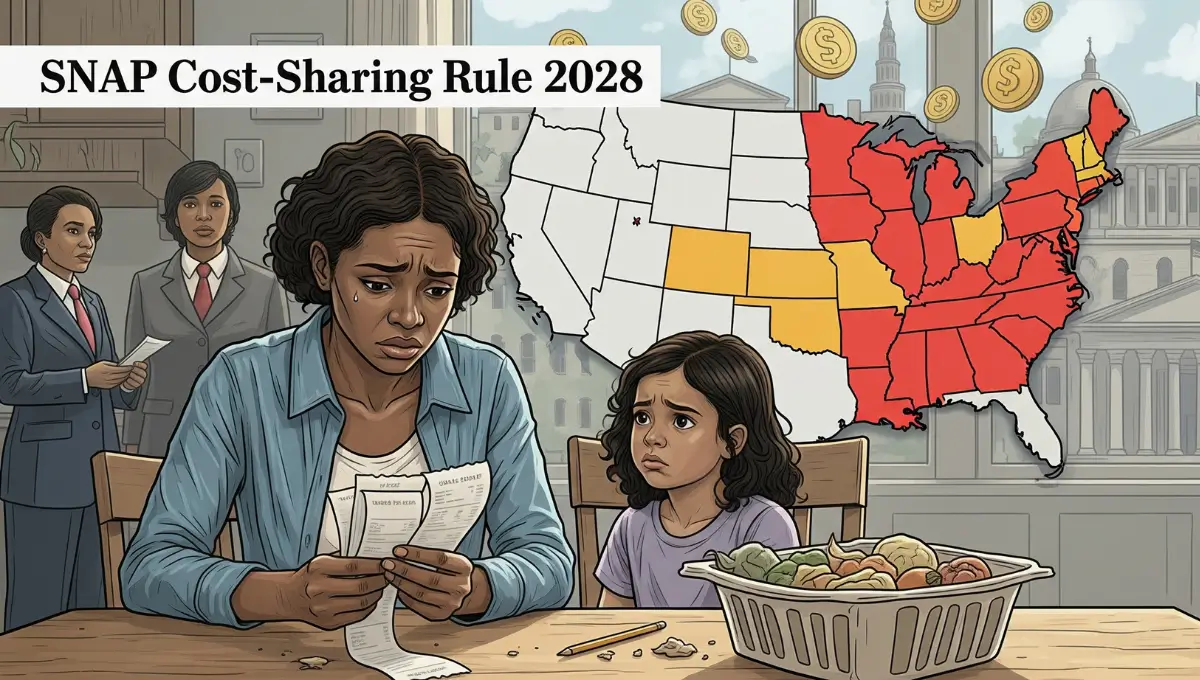
These five states join eight others already enforcing similar rules, including Texas, Florida, Indiana, and Oklahoma. More states — Wyoming, Kansas, Missouri, Hawaii, and Nevada — have later start dates already on the books, stretching into 2028.
What SNAP recipients in these states should do now:
- Check your state agency’s SNAP page for the exact list of restricted items
- Diet and zero-sugar drinks generally remain eligible — but rules vary by state
- Store bakery items are usually still allowed, even where packaged sweets are banned
- Your monthly benefit amount is not affected — only what you can purchase with it
This story is still developing, with legal challenges ongoing and more states applying for waivers. Recipients can check the USDA SNAP waiver tracker or their state’s Department of Social Services website for the most current rules before shopping.