Federal officials say new data uncovered widespread weaknesses in the SNAP system, raising concerns for millions of families who rely on food assistance.
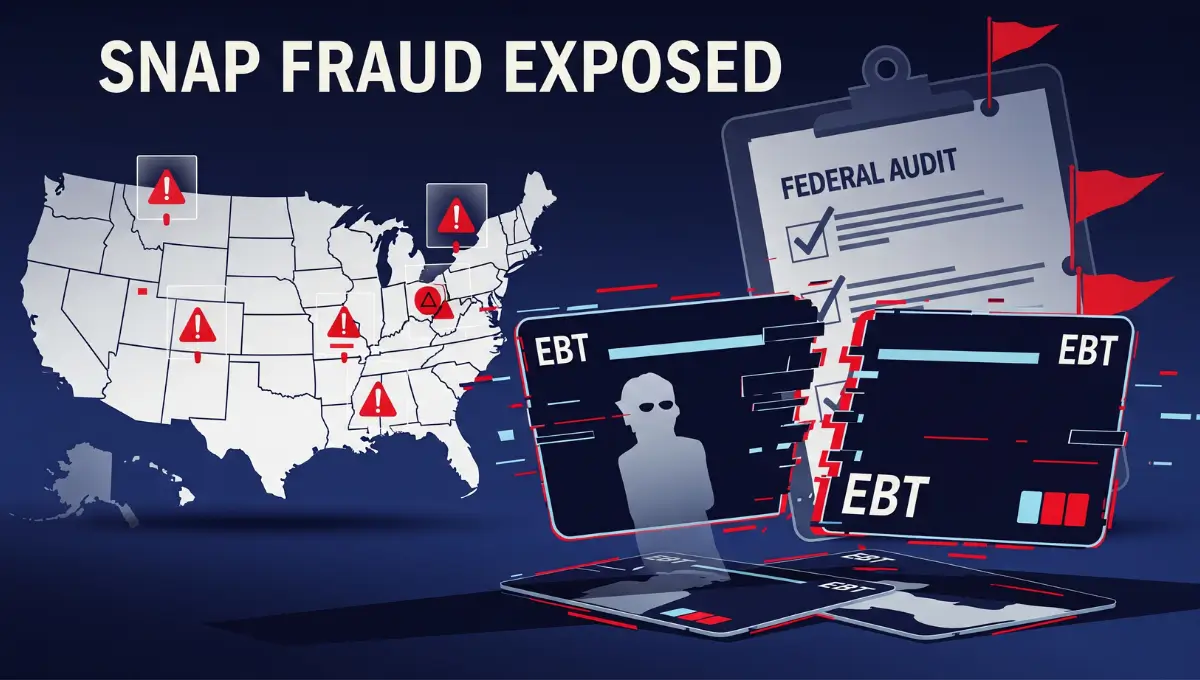
The U.S. Department of Agriculture reviewed SNAP records from 28 cooperating states and found benefits paid to people who were already dead and others who collected food aid in more than one state.
According to a USDA letter dated November 24, 2025, the review identified benefits issued to about 186,000 deceased individuals and more than 500,000 duplicate or multi-state payments.
Officials estimate the losses equal $24 million every single day, adding up to as much as $9 billion each year nationwide when fraud and payment errors go undetected.
SNAP, also known as food stamps, costs roughly $120 billion annually and serves 40 to 42 million low-income Americans, including children, seniors, and people with disabilities.
“These findings show clear vulnerabilities that must be addressed,” a USDA official wrote in the letter, calling the data “deeply concerning.”
The review looked at state records dating back to January 2020. USDA analysts found that about 1 percent of recipients in those states were deceased and 2.7 percent showed signs of claiming benefits across jurisdictions.
Additional findings showed 226,000 fraudulent benefit claims and 691,000 unauthorized transactions nationwide.
States reporting the highest number of stolen benefits included California, New York, and Alabama, according to federal summaries shared with lawmakers.
Experts caution that most SNAP problems are not caused by recipients. “Historically, recipient fraud makes up only 1 to 2 percent of total SNAP errors,” one former state program auditor said. “Retail fraud and administrative mistakes are usually much larger issues.”
The data review has also triggered political conflict.
Twenty-eight states, mostly Republican-led, along with Guam and North Carolina, shared sensitive SNAP eligibility data under high-security federal systems.
Several Democratic-led states refused, citing privacy risks and unclear federal demands.
The USDA warned it could withhold SNAP funding from non-cooperating states. That threat was blocked after a federal judge in California issued an injunction, ruling the funding cuts were unlawful.
In court filings, states argued the data request violated privacy protections under the Food and Nutrition Act and imposed impossible deadlines.
The judge ruled USDA can request records for oversight but cannot punish states financially while legal questions remain unresolved.
Despite the ruling, the USDA says it will continue seeking more data and expanding its fraud audit.
The findings are now fueling calls for SNAP changes, including stricter recertification rules, tougher work requirements, and expanded anti-fraud teams.
Federal officials say recent enforcement efforts have already led to more than 120 arrests connected to benefit theft.
Advocates warn that sudden changes could also disrupt aid for eligible families. Many recipients depend on SNAP to cover basic groceries as food prices remain high.
For now, USDA officials say no immediate benefit cuts have been ordered. But the report signals closer monitoring ahead, leaving many households uncertain about what comes next.