A major change to federal food assistance rules will force states to pay part of their SNAP benefit costs if they don’t fix errors soon. The One Big Beautiful Bill Act, signed into law on July 4, 2025, introduces the first-ever financial penalties tied to state SNAP error rates.
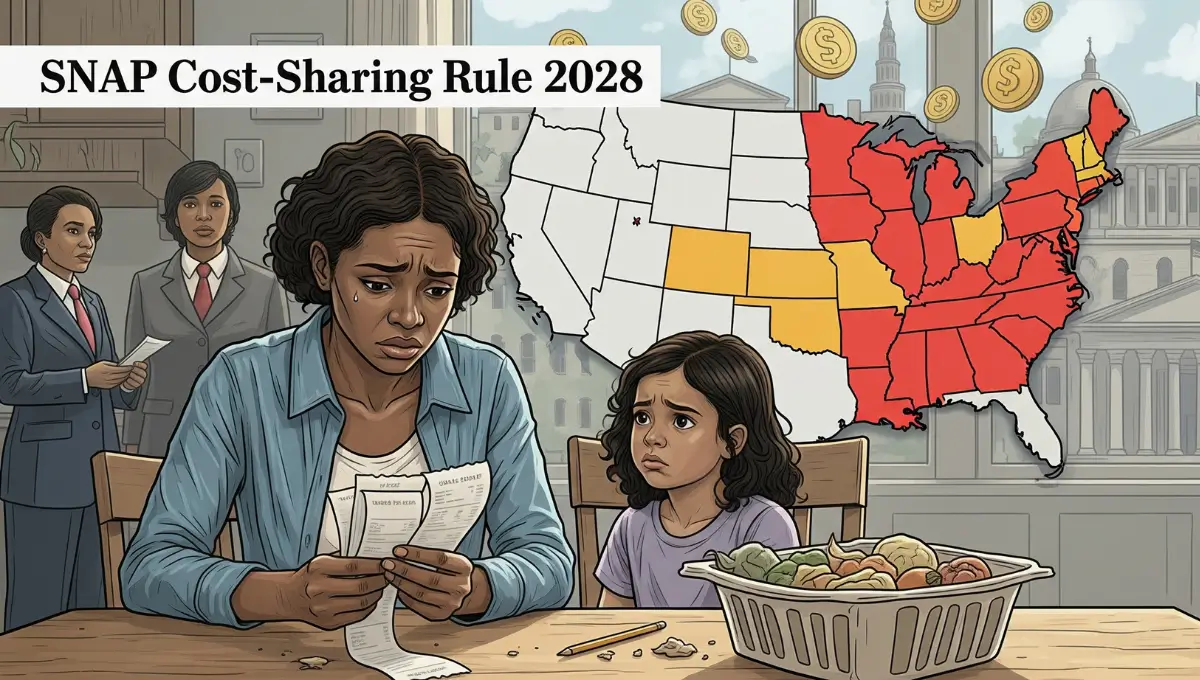
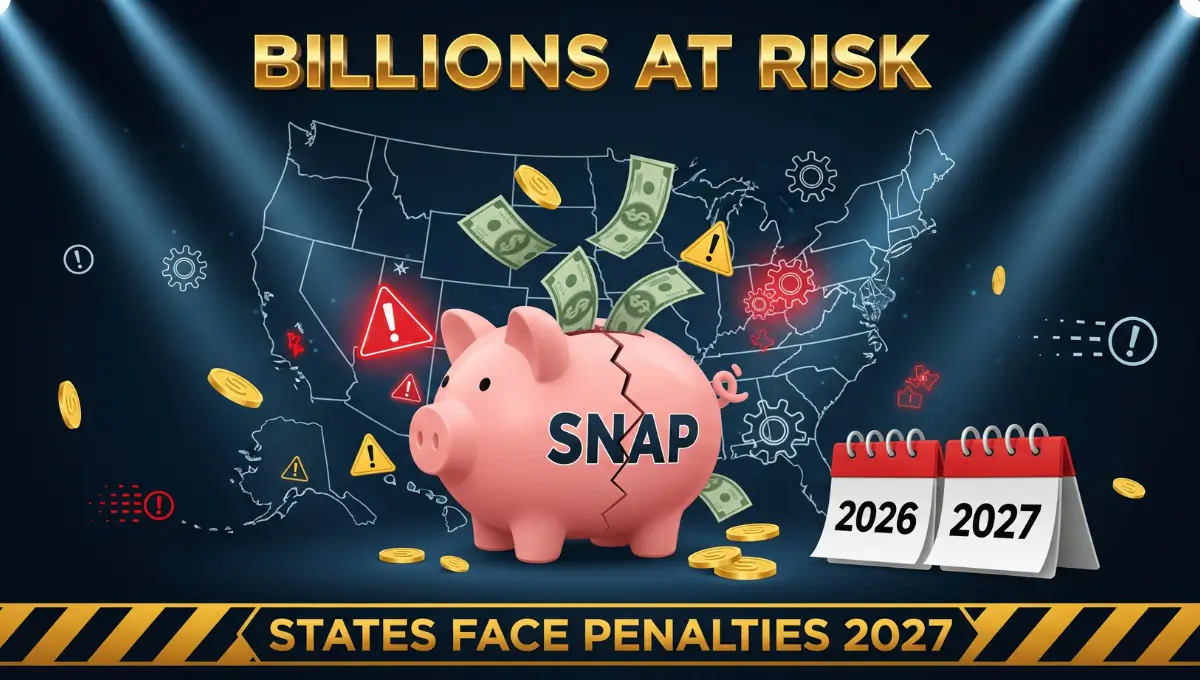
Starting October 1, 2027, states with payment error rates of 6% or higher will have to cover a portion of SNAP benefits themselves. That share ranges from 5% to 15%, depending on how bad the errors are.
According to the U.S. Department of Agriculture, the national SNAP error rate in fiscal year 2024 was about 11%. Only 8 to 9 states were below the 6% threshold. States like Mississippi reported error rates of 10.69%, putting them squarely in penalty territory.
If nothing changes, states could owe a combined $11.6 billion based on 2024 rates, according to analysis from the American Enterprise Institute. That money would come from state budgets, not federal funds.
The penalty structure works like this:
- 6% to 8% error rate = state pays 5% of benefit costs
- 8% to 10% error rate = state pays 10% of benefit costs
- 10% or higher = state pays up to 15% of benefit costs
The law uses a state’s error rate from fiscal year 2025 or 2026 to calculate the first round of penalties in 2028. Starting in 2029, penalties will be based on a three-year average error rate. States with error rates over 10% have until 2030 to comply, but will face the largest cost shares.
Alaska and Hawaii are exempt from the penalties. All other states are scrambling to prepare.
Many states are now investing heavily in technology upgrades, artificial intelligence verification tools, staff training, and data-matching systems to lower their error rates before the deadline. Some are also ending policies like broad-based categorical eligibility, which made more people eligible for SNAP but may have contributed to errors.
The law also raises administrative cost-sharing from 50% to 75% starting in fiscal year 2027. That means states will have to pay a bigger share of the cost to run their SNAP programs, not just benefits.
In addition, the One Big Beautiful Bill Act expands SNAP work requirements to cover people ages 18 to 64, a change that could affect millions of current recipients.
State officials have expressed concern about the financial burden. According to Governing magazine, high-error states are racing against the clock to avoid what could be the largest mandatory spending shift in SNAP history.
The Social Security Administration and Centers for Medicare & Medicaid Services have not issued similar error-based penalties for SSI, SSDI, or Medicaid, making this SNAP rule a first of its kind.
States have less than two years to reduce errors before penalties take effect.