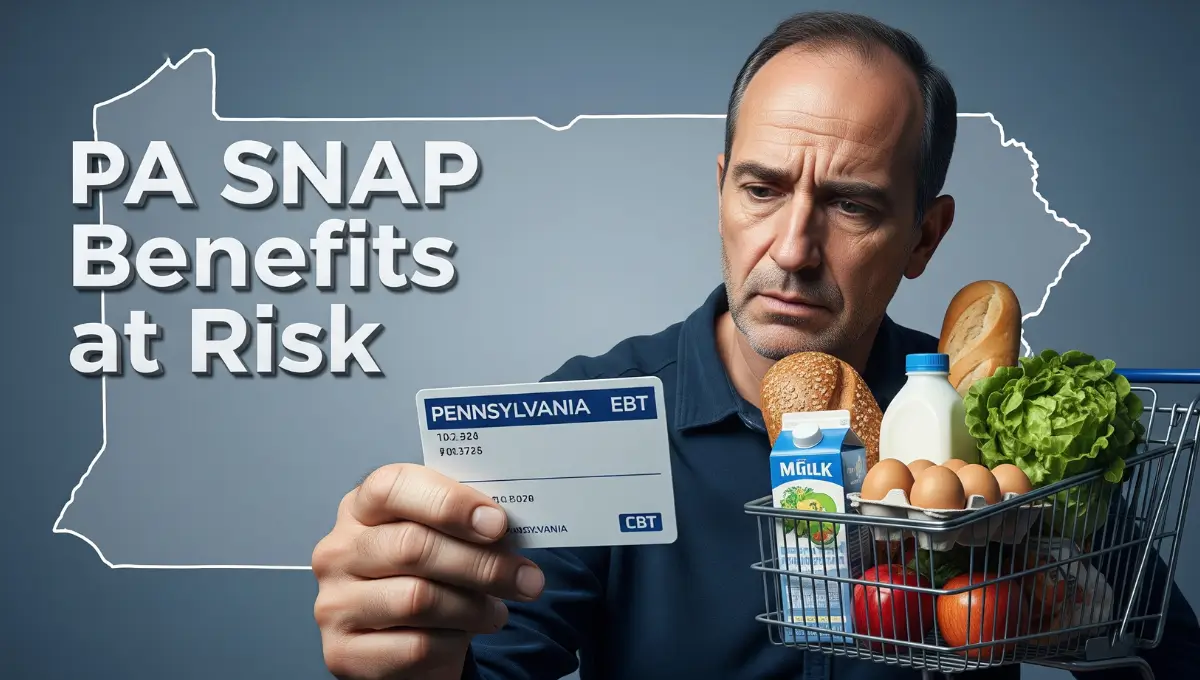
States across the U.S. are bracing for higher SNAP and Medicaid costs. The federal budget cut $900 billion from Medicaid over 10 years. SNAP sees $120 billion in savings by shifting expenses to states.
This comes from the One Big Beautiful Bill Act, signed in July. Governors warn it could force tough choices. Some states may cut benefits or raise fees to cope.
The new budget aims to reduce federal spending. It targets SNAP budget changes and Medicaid funding shifts. SNAP helps 42 million people buy food. Medicaid covers health for 80 million.
For SNAP, states now pay part of the benefits if error rates exceed 6%. Errors mean wrong payments or eligibility calls. Shares range from 5% to 15%. States also cover 75% of admin costs, up from 50%. This adds millions to state bills.
Medicaid faces new work rules and checks. States must track hours for adults on expanded coverage. This starts in 2027 for 42 states. Frequent eligibility reviews add more work. Federal cuts mean less help for states.
Why it matters: States share costs with the feds. Less federal money means more state dollars needed. This hits during tight budgets. Some states cut taxes recently. Now they scramble to fill gaps.
Federal budget impact shifts more load to states. For SNAP, the food stamp funding change is big. States with high errors pay up to 15% of benefits. That’s new, feds paid all before. Admin costs rise to 75% state share.
In Medicaid, cuts reduce federal match rates over time. New rules like work tracking cost states extra. They need new systems and staff. This adds to state Medicaid costs.
Shifts save feds money but raise state tabs. SNAP alone could cost states billions yearly. Medicaid’s $900 billion cut forces states to find funds or trim programs.
Governors voice concerns. North Carolina’s leader said it could mean $420 million more a year for SNAP. They worry about cutting other services.
Oklahoma Senator Dave Rader noted states might drop SNAP if costs rise too much. West Virginia faces deficits from tax cuts. Now budget holes grow.
Policy analysts agree. The Center on Budget and Policy Priorities said shifts hurt low-income families. ProPublica warned of a “SNAP crisis” in tax-cut states. Health experts at Commonwealth Fund predict less access to care.
State Medicaid agencies seek funds. Arizona wants $71 million for new rules. Many plan budget talks in 2026.
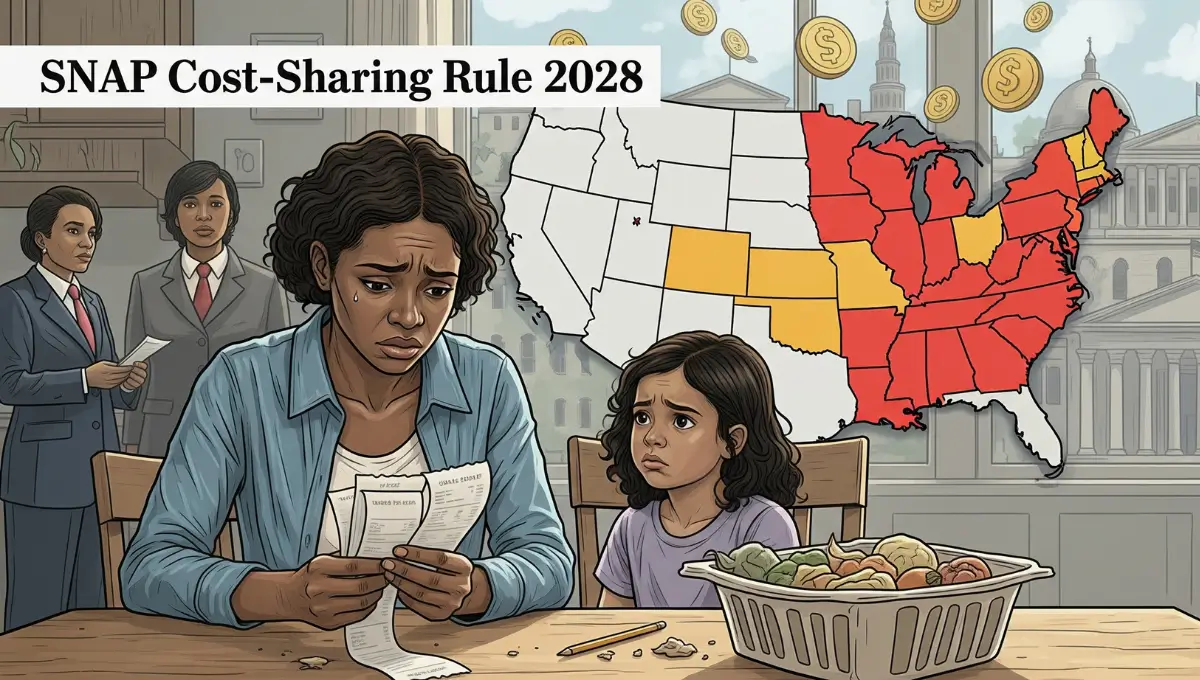
States with high SNAP error rates face big bills. Over 40 states exceed 6%. Twenty states plus D.C. pay 15%. This includes North Carolina, Pennsylvania, Rhode Island, and Oklahoma.
Tax-cut states hurt more. Twenty-six states slashed income taxes since 2021. Arizona lost revenue from flat taxes. West Virginia cut education and health after tax drops. North Carolina risks $1 billion loss.
Why hardest? High errors plus low revenue. Rural states like Oklahoma have few jobs for work rules. This strains admin. Big populations like New York add costs.
Higher costs may lead to cuts. States could trim optional benefits like dental or home care in Medicaid. SNAP eligibility might tighten.
Provider rates may drop 3-10%. This happened in Idaho and North Carolina. Fewer doctors take Medicaid patients.
Enrollment could fall. New checks and work rules add paperwork. Millions risk losing aid. Benefits stay the same for now. But states may add premiums. Montana and New Hampshire did 2-5% of income.
Overall, access shrinks. Emergency room use may rise if care gets harder to get.
In the next year, changes roll slow. SNAP admin shifts start October 2026. Medicaid work rules hit 2027.
Beneficiaries see more checks. States send letters for proof. Missing them means lost aid.
Short-term, benefits hold. But delays in approval grow. People wait longer for help. If states cut rates, wait times for doctors rise.
Track mail and calls. Report work hours if needed. Local aid groups help with forms.
States watch rulemaking. Feds issue guides on work tracking by mid-2026. Waivers may let some delay.
Implementation timelines loom. SNAP cost shifts hit October 2026. Medicaid rules start January 2027.
Governors plan 2026 budgets. They seek ways to cover gaps. More talks on taxes or cuts ahead. Stay tuned for state updates.