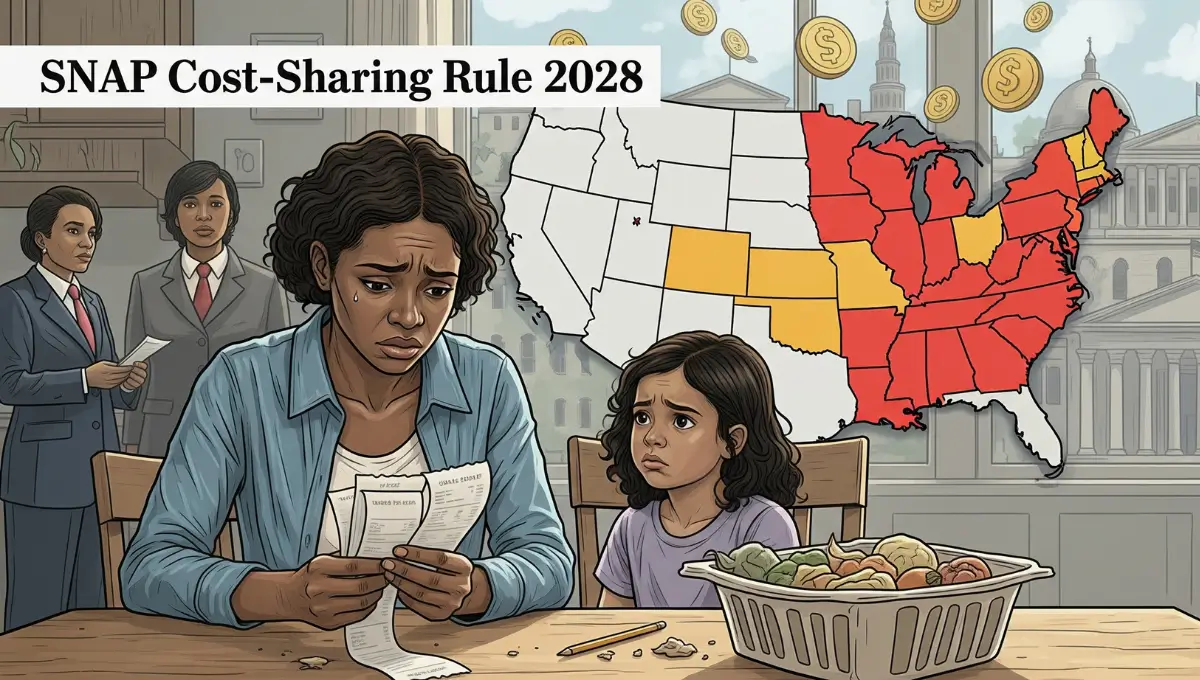
Millions of Americans on food stamps now face strict new work rules that started December 1, 2025. The changes come from a law called the One Big Beautiful Bill Act, signed in July 2025. Adults aged 18 to 64 must now work or train at least 80 hours per month to keep their SNAP benefits.
The U.S. Department of Agriculture confirmed these rules are now being enforced across most states. People who don’t meet the work requirement can only get 3 months of food stamps in any 36-month period. After that, benefits stop unless they start working or qualify for an exemption.
Who is affected by the new rules? The changes hit several groups of people who were previously protected:
- Adults aged 55 to 64 – They never had to meet work rules before. Now they must work 80 hours monthly or lose benefits after 3 months.
- Parents with teenagers aged 14 to 17 – Before, parents with any child under 18 were exempt. Now only parents with children under 14 are protected.
- Veterans – They lost their automatic exemption and must now meet work requirements.
- Homeless people – They also lost protection and must show 80 hours of work or training each month.
- Young adults who aged out of foster care – People under 24 who left foster care must now meet the work rules too.
The Congressional Budget Office estimates about 3.2 million people could lose SNAP benefits because of these changes. Some reports say 2.4 million people per month will be affected, including 300,000 families with children.
What counts as work? People can meet the 80-hour monthly requirement through paid jobs, volunteering, job training programs, education classes, or state workfare programs. They must provide proof like pay stubs or letters from employers. Just 20 hours per week is enough to keep benefits.
Some people are still exempt from work rules. You don’t have to meet the requirements if you are pregnant, unable to work due to health problems, caring for a child under 14, or live in certain tribal areas. A few areas with very high unemployment (over 10%) may get temporary waivers.
States are enforcing the rules at different times. Most states started checking work requirements on December 1, 2025. But some states like California, Illinois, and Nevada have temporary waivers for certain areas. Illinois won’t fully enforce rules until February 2026. Pennsylvania has some cities where rules won’t start until September 2026.
Hawaii’s Department of Human Services said about 26,000 people in that state alone will be affected. The state started enforcement on November 1, 2025.
People already receiving SNAP should watch for notices from their state. The notices explain what documents to send and when. Missing a deadline or not sending proof of work hours can result in immediate benefit cuts, even if someone is actually working.
The USDA’s Food and Nutrition Service told states not to penalize mistakes until November 2025 to give everyone time to adjust. But that protection period has now ended. Benefits can be cut starting with December 2025 checks for people who don’t meet the new rules.
The new law also makes it much harder for states to get waivers. Before, states could protect people in areas without enough jobs. Now unemployment must be at least 10% for a waiver, which very few areas qualify for.
Advocates worry many eligible people will lose benefits due to confusion and paperwork problems. CNN reports show wide differences in how states are rolling out the changes. Some people may lose food assistance because they don’t understand the new rules, not because they refuse to work.