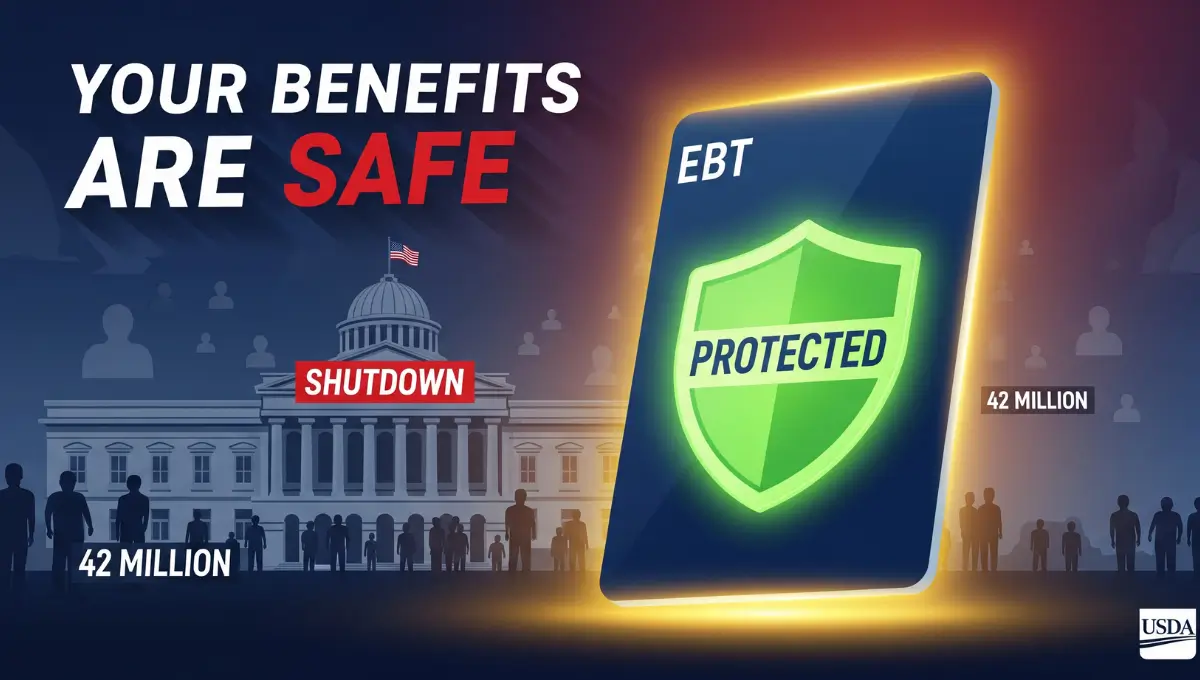
Millions of Americans can breathe easier. SNAP benefits will not be cut if the government shuts down on January 30, 2026.
This marks a dramatic change from the chaos of late 2025 when 42 million people faced hunger during the longest shutdown in U.S. history.
The U.S. Department of Agriculture received full-year funding through September 30, 2026 when Congress passed emergency legislation in November 2025. SNAP is now funded for the entire fiscal year, meaning benefits will continue flowing no matter what happens this week.
“The Agriculture bill is funded for FY 2026, so there will be no change in service in a potential partial shutdown,” according to the Committee for a Responsible Federal Budget.
Parents, seniors, and families who depend on food assistance no longer need to worry about their February benefits. The $107.5 billion appropriated for SNAP protects all monthly payments through the end of September.
This stands in stark contrast to October and November 2025. During that crisis, benefits were frozen. Millions went without food assistance. States scrambled to find emergency funding. Food banks were overwhelmed.
The November 2025 shutdown created confusion and fear. Some states delayed benefits while federal courts battled over emergency funding. Families didn’t know if their EBT cards would work. Children went hungry.
Key differences this time:
- Full SNAP funding secured until September 2026
- No reliance on contingency reserves
- Benefits will deposit on normal schedules
- Application processing continues without delays
- WIC also protected with $8.2 billion in funding
Even if other government agencies close on January 30, food support programs will not be endangered because the USDA already has its money.
The potential shutdown this week involves different agencies. The Department of Homeland Security and other departments may face funding gaps. But the Department of Agriculture is not part of that uncertainty.
About 1 in 8 Americans receive SNAP benefits. Nearly 42 million people participated in the program in recent months, with an average benefit of $188 per household. About 39% of recipients are children under 18.
Disability advocates and food security organizations confirm the protection. November’s funding legislation created substantial reserves and eliminated the 30-day benefit limit that caused problems during previous shutdowns.
State agencies have been notified to continue normal operations. EBT cards will work. Monthly deposits will arrive on schedule. Families can plan their grocery budgets without fear of sudden cuts.
Benefits remain safe because:
- Congress passed full-year agriculture appropriations
- Funding covers both benefits and state administrative costs
- Emergency reserves were replenished to $3 billion
- No expiration date until fiscal year ends
The 43-day shutdown that ended November 12, 2025 taught lawmakers a painful lesson. Cutting food assistance creates immediate hardship. Grocery retailers and food banks struggled to help communities when federal benefits stopped.
This time, SNAP recipients can focus on other concerns. While some federal services may be disrupted after January 30, your food assistance is guaranteed.
If you receive SNAP, check your state’s payment schedule as normal. Benefits will continue arriving on your regular dates throughout February, March, and beyond.
The funding also protects WIC benefits for pregnant women, new mothers, and young children. School meal programs will operate normally. Senior food box distributions will continue.
For families still recovering from the 2025 shutdown chaos, this news brings relief. Your February groceries are secured. Your children will eat. The nightmare of November 2025 will not repeat.