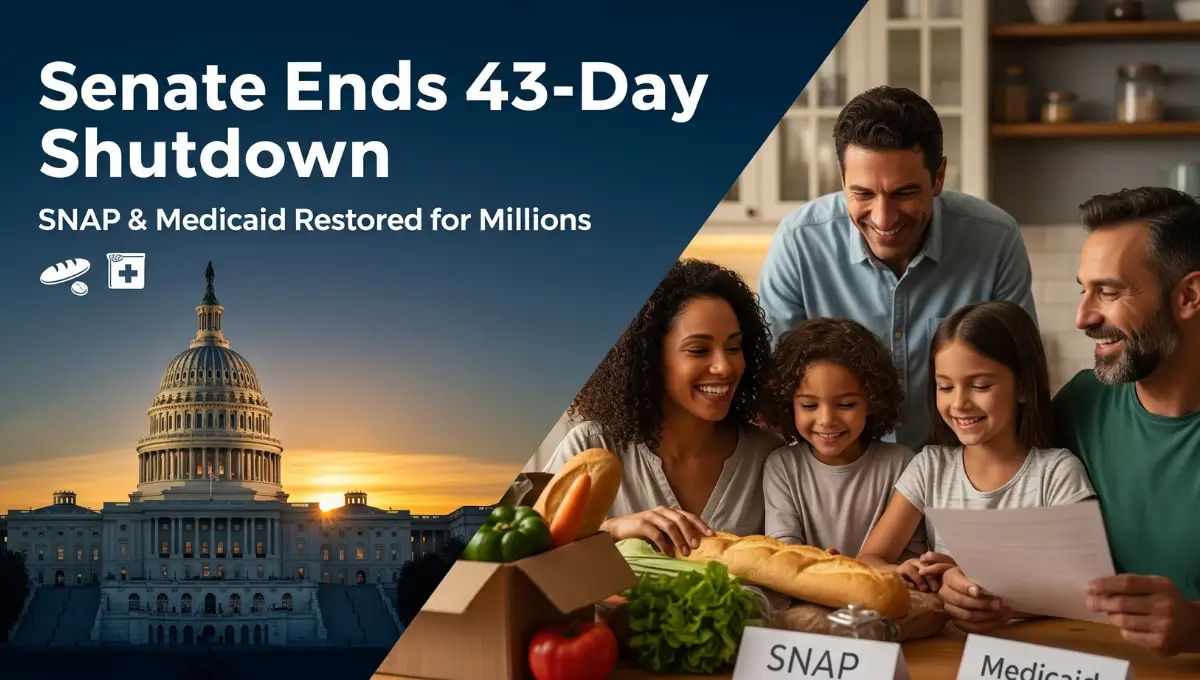
The federal government’s been shut down for 43 days now. But a bill in the Senate is finally gaining ground, giving folks some real hope. It could get SNAP food aid and Medicaid health coverage back on track, sparing families from even tougher times.
The Senate passed it on November 11, keeping funding steady at 2025 levels right through January 30, 2026. That means agencies might reopen soon, and payments could start flowing again for the millions who count on these programs.
The House could vote as early as Wednesday. If it goes through, this could wrap up the longest shutdown in U.S. history and ease the mess around food and medical help.
Senate leaders hammered out this deal, letting go of Democrats’ earlier call to extend some Affordable Care Act rules. Instead, they’re zeroing in on the basics to get things running. SNAP serves more than 42 million low-income folks, handing out about $187 a month per person for groceries.
This bill would lock in those benefits until September 30, 2026, dodging the kind of interruptions that’ve already stretched state budgets thin. A lot of people depend on both SNAP and Medicaid, so the fix would also mean steady federal cash for Medicaid, no more holdups on signing up or paying doctors. States with high poverty rates have felt this pinch the worst.
President Trump’s crew sees the shutdown as a battle against wasteful spending. But plenty of critics say it’s turned vital services into bargaining chips.
“This isn’t about borders or budgets, it’s about families going hungry while Washington plays games,” Sen. Bernie Sanders put it in a statement, summing up what Democrats are worried about.
Republicans, though, highlight how the bill keeps a lid on costs. The Senate Majority Leader pointed out it sticks to 2025 levels without adding extras.
The agreement even weaves in bits from the One Big Beautiful Bill Act, like SNAP rules that encourage work for adults who can manage it — a big win for the GOP.
It all kicked off when funding expired at midnight on September 30, freezing everything from agency work to program payouts. SNAP and Medicaid got slammed hard.
The U.S. Department of Agriculture put a stop to full November checks, pushing states to scrape together partial help or tap their own pockets.
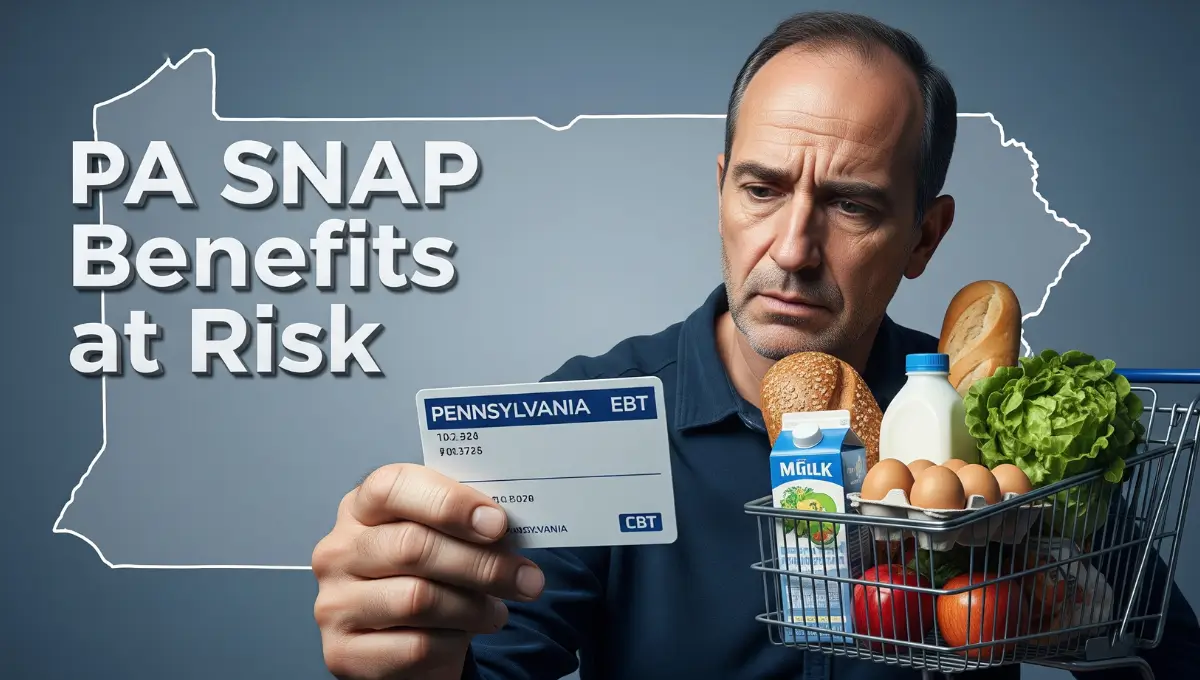
That left big gaps for the 40 million folks on both programs. Take Pennsylvania: Officials there flagged serious risks for 2 million SNAP users, and Medicaid slowdowns only made it tougher on disabled people and kids.
“We’ve voted 14 times to reopen, but this bill finally gets us there without giving up on key reforms,” a White House spokesperson noted, nodding to the jammed-up talks.
States aren’t handling this the same way, which really underlines why this bill can’t come soon enough.
New York’s Gov. Kathy Hochul pulled from emergency funds to keep SNAP going for 3 million residents through November.
Anti-hunger folks cheered it, but everyone knows it’s not a forever fix.
Over in Texas, where money’s tighter, food banks are drowning in demand. Lines have doubled in spots like Houston.
“Our shelves are bare, and Medicaid claims are piling up. Families just can’t hang on,” the Dallas food bank director told me, asking to stay off the record because of the political heat.
The real heartbreak shows up in people’s stories.
In Ohio, 32-year-old single mom Elena Ramirez opened up about how the shutdown gutted her SNAP support.
She’s been skipping her own meals to make sure her two kids eat.
“My youngest has asthma, we count on Medicaid for his inhalers. If this bill goes through, it’s our lifeline,” she shared with reporters at a community center, where she was grabbing some aid.
Down in Florida, 45-year-old veteran Marcus Johnson hit snags with Medicaid for his PTSD treatment. SNAP cuts left him deciding between groceries and medicine.
“I served my country, that shouldn’t mean starving today,” he said in an interview.
Experts call this bill a band-aid, not a full repair.
David Super, a law professor at Georgetown University, says it brings funding back online, but bigger fights are brewing, like new work rules for Medicaid in the 2025 budget package.
That one’s moving alongside this deal, with tougher checks that could boot millions off coverage, according to KFF reports.
“This wraps the immediate mess, but SNAP and Medicaid shake-ups are still ahead,” Super explained.
Outfits like Feeding America are glad the Senate acted, but want the House to hurry.
“Every extra day means more kids going without, and untreated health issues jacking up Medicaid bills,” CEO Claire Babineaux-Fontenot said.
The Supreme Court’s choice to keep blocking some SNAP help during lawsuits adds extra urgency; the bill could clear that once it’s the law.
The shutdown’s rippling out to the economy, too, halting farm support and food safety checks.
That hurts workers who qualify for SNAP. With midterms coming up, how this plays out could shift what voters think, polls show 60 percent pinning the blame on Congress.
If the House green-lights it, agencies could be back in business within days, with SNAP payments catching up and Medicaid humming again.
If you’re caught in this, peek at your EBT balance on state apps and hit up HHS hotlines; they often have live info.
Food pantries are stepping in for now, though supplies are running thin.
As one parent in California said: “We’ve hung in this long; now it’s Washington’s turn to step up.”
Resolution feels close, but millions are riding on that vote — give your reps a call if it hits home for you.