The U.S. government is running out of time.
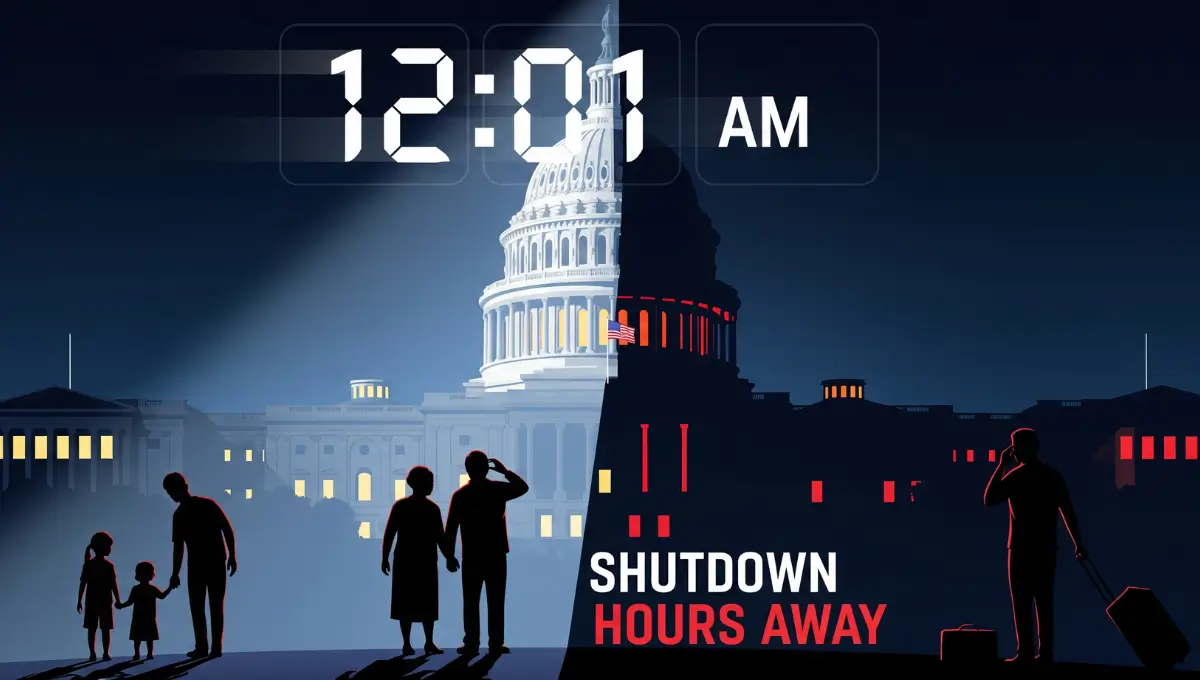
Lawmakers face a midnight deadline Friday, Jan. 30, 2026, to pass the remaining federal funding bills. If no deal is reached, a partial government shutdown will begin at 12:01 a.m. Saturday, Jan. 31.
Roughly 80% of the federal government would be affected.
The standoff is centered in the Senate. Democrats have pledged to block a $1.2 trillion funding package that includes money for the Department of Homeland Security. The opposition follows the fatal shootings of U.S. citizens Alex Pretti and Renee Good by federal agents in Minneapolis. Democrats want DHS funding separated or rewritten. Republicans have refused.
The House has already passed all 12 required spending bills. Six are already signed into law, covering agencies such as Agriculture, Veterans Affairs, and Commerce. The remaining six — including Defense, Health and Human Services, and DHS — remain stalled in the Senate.
Because half the government is already funded through Sept. 30, 2026, any shutdown would be partial.
Still, the impact could be immediate.
The Department of Defense, which has not yet received full-year funding, could be affected. National security operations would continue, but many civilian workers could face furloughs.
Travel disruptions are another concern. TSA officers and FAA air traffic controllers may be required to work without pay, raising fears of staffing shortages and flight delays. During past shutdowns, airports reported longer lines and canceled flights.
Families and seniors could also feel the strain.
At the Social Security Administration, essential payments would continue. However, non-essential services may stop, including Social Security card replacements and benefit verification requests. Parents applying for college aid could face delays as FAFSA processing may see staffing cuts of up to 90%.
Some key services are protected.
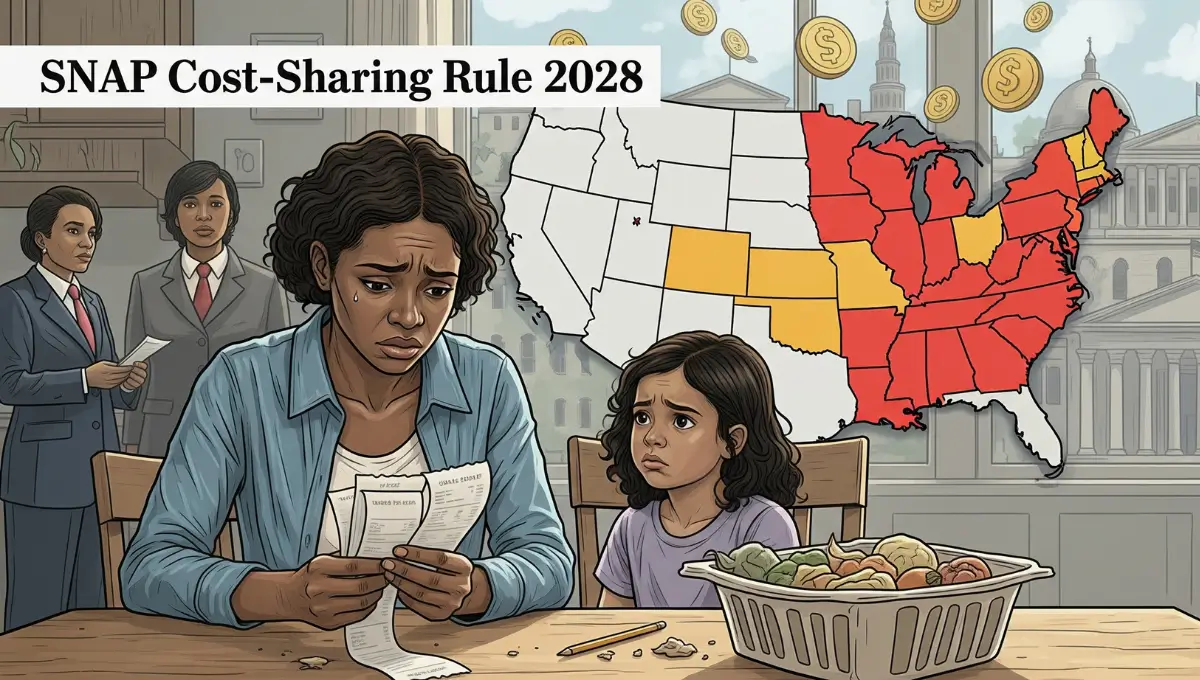
SNAP and WIC benefits will continue without interruption. According to the U.S. Department of Agriculture, both programs are fully funded through the end of the fiscal year. Families relying on food assistance will still receive benefits on schedule.
The U.S. Postal Service will not be affected. It operates independently of congressional funding.
Most national parks and Smithsonian museums are also expected to remain open.
Economic data releases could be delayed. Reports on jobs and inflation from the Department of Labor may not be issued during a shutdown, leaving businesses and households without key information.
Lawmakers continue to negotiate behind closed doors. Senate floor activity can be followed through the Senate.gov live stream and C-SPAN. Official bill status updates are posted on Congress.gov.
With hours left, millions of Americans are watching closely — unsure which services will be there Saturday morning, and which doors may suddenly close.