Sen. Mark Kelly clarifies that undocumented immigrants are ineligible for SNAP and non-emergency Medicaid, countering White House pushes for stricter blocks amid shutdown-fueled scrutiny.
As the federal government shutdown drags into its 43rd day on November 12, 2025, heated debates over who gets public aid have exploded online and in Washington.
With SNAP benefits paused for 42 million Americans and Medicaid delays hitting hospitals, claims are flying that undocumented immigrants are draining these programs.
The truth? Federal law bars them from most benefits. But that hasn’t stopped the debate — or the calls for even tougher restrictions.
What the Law Actually Says
Let’s start with the facts on undocumented SNAP access.
The Personal Responsibility and Work Opportunity Reconciliation Act of 1996 set the rule: Undocumented people cannot get SNAP or non-emergency Medicaid.
That’s held steady through 2025 — even after the One Big Beautiful Bill Act (OBBB) tightened eligibility for some legal immigrants.
Benefits go to U.S. citizens and “qualified” non-citizens — refugees, asylees, and green card holders (after a five-year wait).
Undocumented individuals? Zero access to SNAP or full Medicaid coverage.
They can only get emergency room care under EMTALA (1986) — no routine checkups, prescriptions, or preventive care.
Kelly Sets the Record Straight
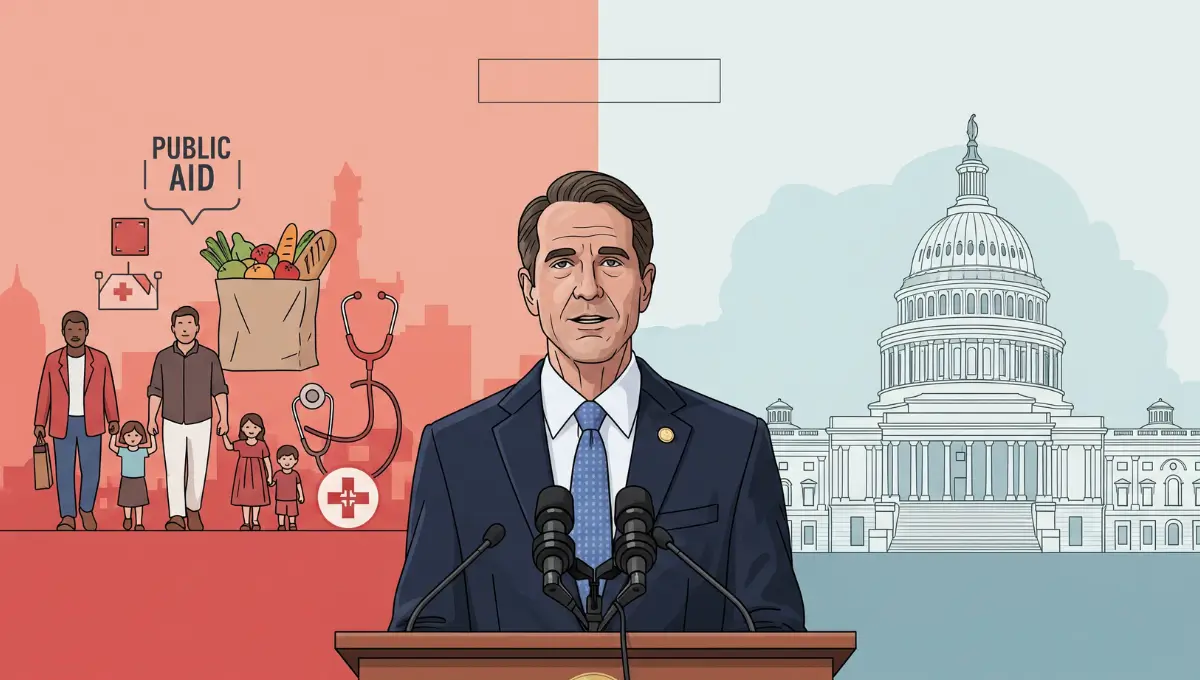
Arizona Sen. Mark Kelly, a Democrat and former astronaut, went viral last month for a blunt fact-check.
“Undocumented individuals do not have access to Medicare, Medicaid, food stamps, even the Affordable Care Act. That’s the law,” he said on MSNBC.
Kelly’s pushback targets Republican claims that Democrats are stalling the shutdown to fund ‘free’ care for illegals.
His X posts also spotlight Arizona families skipping meals as SNAP funds remain frozen as “leverage.”
He calls it “cruelty, plain and simple,” tying it to false narratives that undocumented immigrants are gaming the system.
How Myths Spread
Those myths are everywhere.
White House memos and statements have painted the stalemate as Democrats fighting to “restore taxpayer subsidies for illegal immigrants’ health care.”
A September 2025 fact sheet blasted “loopholes” allegedly letting “criminal illegal aliens” tap Medicaid.
Viral X threads repeated claims like “59% of illegals collect SNAP,” citing a Center for Immigration Studies (CIS) report that lumps legal and undocumented households together.
🔗 Fact Check Context: Heated Debates Erupt on Immigrant Access to SNAP and Medicaid Amid Shutdown Pressures
But fact-checks from NPR and PolitiFact debunked it: Nearly 90% of SNAP users are U.S.-born citizens, and undocumented adults receive none.
Mixed-status families can qualify for citizen children, but that’s aid for U.S. kids — not parents without papers.
Shutdown Politics Fuel the Fire
The shutdown only amplifies the misinformation.
Republicans argue Democrats are pushing ACA tweaks that “waive immigration status” to expand migrant access.
Kelly and others counter that the debate’s about subsidies for legal residents, not undocumented immigrants.
Still, the White House narrative ties it to “ending taxpayer subsidization of open borders,” including a February 2025 executive order blocking federal funds for non-citizen aid.
This rhetoric has sparked calls for nationwide welfare audits, including USDA data-sharing with 27 states to flag supposed “fraud.”
Policy Shifts Under the OBBB
The One Big Beautiful Bill Act, signed in July 2025, ramps up changes this year.
It ends SNAP eligibility for certain legal non-citizens, such as some refugees and trafficking survivors, effective November 1.
It also adds stricter work requirements and citizenship verification checks, hitting mixed-status families hard.
Thousands in states like Oregon and Michigan could lose food aid.
Meanwhile, Florida’s proposed bill pushes for a complete welfare ban for non-citizens, part of a wave of anti-benefits efforts moving nationwide.
National reconciliation talks project 1.2 million legal non-citizens could lose ACA subsidies, per CBO estimates.
Audits are expanding — even though fraud rates stay at just 1–2% across SNAP and Medicaid.
The Human Cost
The fallout is personal.
In Texas, where 3.5 million rely on SNAP, families like Rosa Hernandez’s stretch benefits for her U.S.-born daughter while she skips meals.
“I can’t get help, but my girl needs it. Now reforms say even that’s at risk,” Hernandez told the Texas Tribune.
In Arizona, undocumented parents fear ER bills from untreated illnesses could bankrupt them — indirectly raising Medicaid costs for citizens.
Experts like KFF’s Jennifer Tolbert push back on the scapegoating:
“Reforms target the wrong problem; real fraud is tiny, but cuts hurt kids.”
She notes that undocumented immigrants pay $13 billion annually in state and local taxes.
Where It’s Headed
As Congress inches toward a shutdown deal, the debate over Medicaid immigrant bars won’t fade.
The OBBB changes already cut aid for thousands of refugees as of November 1, according to Hunger Free Colorado.
With audits expanding and state bills advancing, 2025 may see broader “illegal alien benefits” bans.
For now, the shutdown spotlights a basic truth:
90% of SNAP benefits go to U.S. citizens, yet immigrants remain blamed as the drain.
If you’re in a mixed-status family, verify your SNAP eligibility at USDA.gov or your state’s website.
If you’re undocumented, turn to local non-federal options like food pantries or call 211 for help.
Organizations like Catholic Charities and Feeding America are keeping families afloat.
As Kelly puts it:
“The law’s clear — now let’s fix the real crisis, not chase shadows.”
In this fiscal storm, truth matters more than ever — it could save the programs that feed and heal millions of Americans.